
Our Work Process
Transforming Natural Beauty From Quarry To Your Door Steps
The art of transforming a natural stone into something that embellishes a home decor is not a cakewalk. It requires detailed craftsmanship and expertise. Certain stages are involved in manifesting such a fascinating transformation.
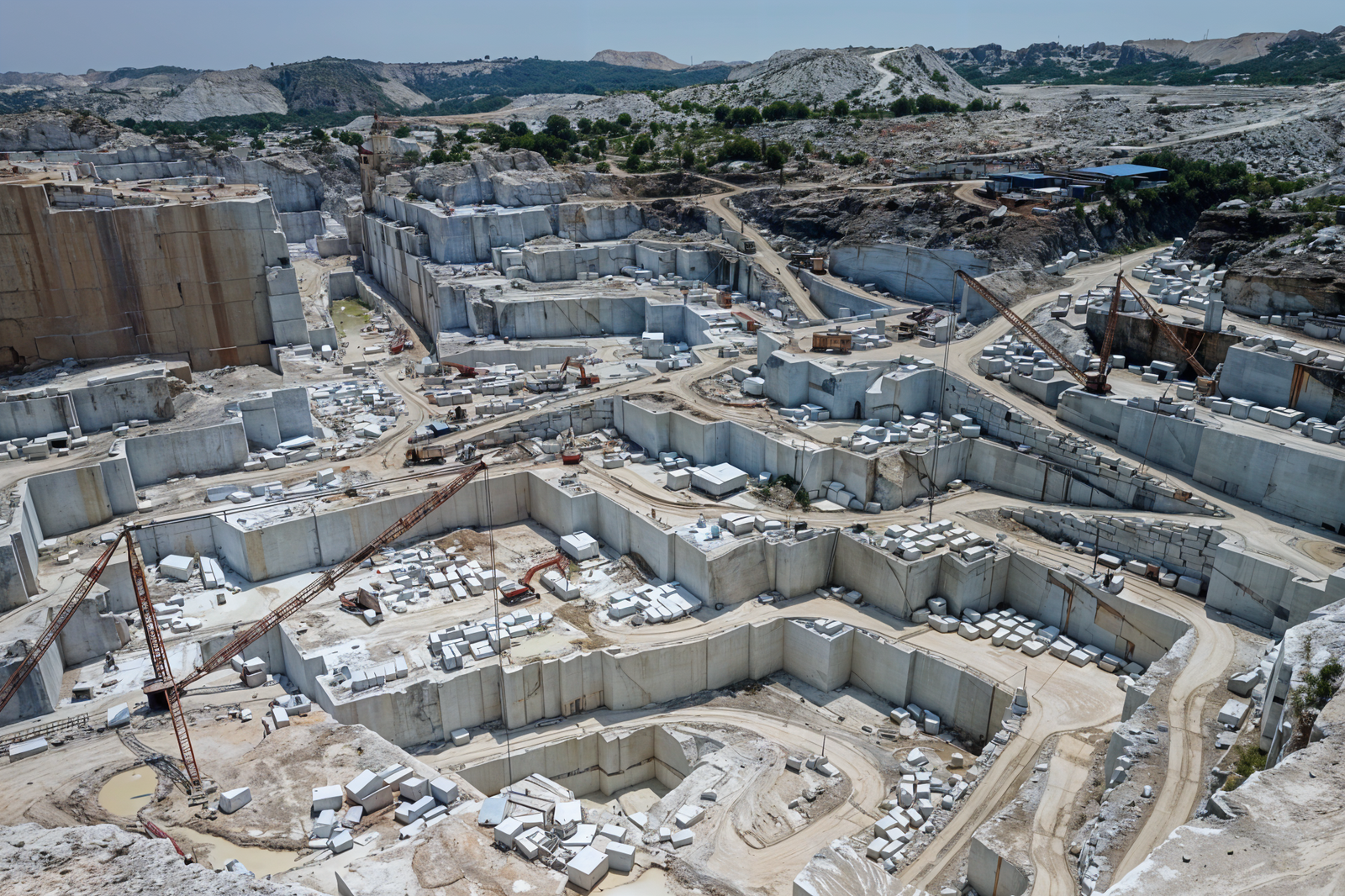
Step 1: Mining
The first step is extracting the natural stone as rocks or layers. It is extracted from either open or underground quarries. Depending upon the natural site, the extraction method varies. Moreover, quarrying is also done in either vertical or horizontal cuts based on the shape of the extraction site. Being the leading natural stone manufacturer and exporter, we produce quality ingredients that exhibit supreme levels of precision and value.
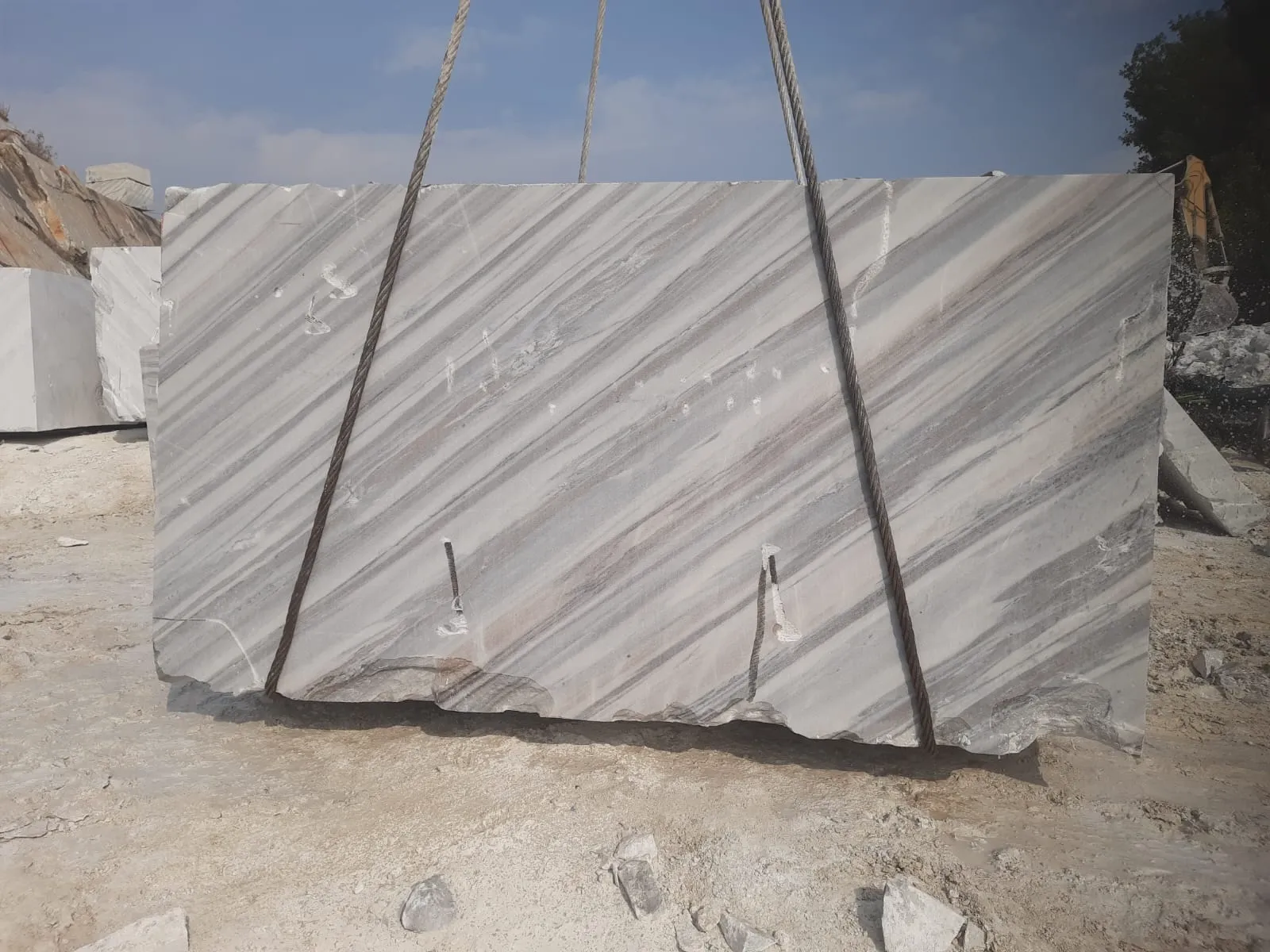
Step 2: Block Classification- Block Size, Tones, Amount of Streaks, Cleanliness, Cracks
The mining process results in blocks of various sizes and shapes. So, blocks are classified based on their size, tone, or cracks present while at the world-class quarry site. Also, the stain-free blocks with no or minimum streaks are considered better in quality during the classification stage
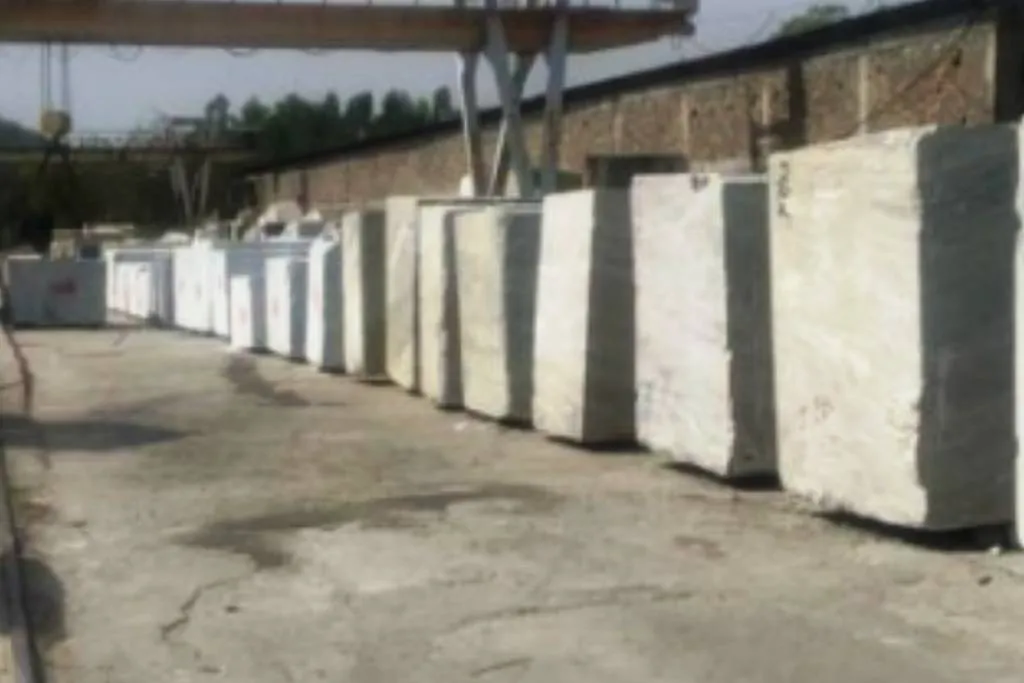
Step 3: Arrival & Unloading of Marble Blocks at Factory Unit
Now comes the process of transporting these blocks to the marble manufacturers. Due to massive size and weight, cranes and specific equipment are used for loading/unloading the marble blocks to make their arrival safe.
After reaching the factory units, blocks are unloaded cautiously and classified in the block yard before further processing. These yards are located outdoors at the factory units where the blocks are stored till the next step.
Step 4: Marble Block Cutting
During the cutting process, the type of marble, its quality, and the purpose of its usage (slabs, tiles, and staircases) are considered. Marble cutting is intended to make the most of block measurement and reduce waste production as much as possible. For this, diamond wires or a gang saw is preferred.
Moreover, highly irregular blocks are processed in block cutters which consist of large diamond blades. They cut the blocks in the vertical direction, and once the right vertical thickness is achieved, a horizontal saw blade cuts it simultaneously to produce strips. Later, these strips are processed by mitre saw or cutter to get tiles of the desired measurement.
The multiwire cutter cuts the large blocks to give rise to slabs, which are further processed individually in the production chain. Our units have some of the advanced tools or state of the art machinery that brings ultimate precision and quality to our every product.

Step 5: Marble Strengthening and Surface Finishing
The next stage involves strengthening the marble slabs to improve their durability and resistance. A reinforcing mesh is attached to the backside of the slabs to provide additional support. After strengthening, the marble undergoes surface treatment and abrasion to achieve different textures and finishes according to its intended application and design requirements.
1. Polishing
Polishing gives marble a smooth, shiny, and glossy surface. This process enhances the natural colour, patterns, and appearance of the stone, creating a premium polished finish. It generally takes around 45–60 minutes.
2. Honing
Honing produces a smooth, matte finish without a glossy shine. During this process, surface cuts, scratches, and marks are removed to achieve a uniform and refined appearance.
3. Ageing
Ageing gives marble a natural, rustic appearance with a textured, non-reflective surface. This finish recreates the look of naturally weathered stone, making it suitable for traditional and heritage-inspired spaces.
4. Bush Hammering
Bush hammering creates a coarse and textured marble surface with improved grip. Its rough finish makes it particularly suitable for outdoor applications, pathways, and areas where slip resistance is important.
5. Sanding
Sanding produces a slightly coarse and textured surface. Compared to bush hammering, this finish is relatively subtle and provides a more uniform texture while maintaining a natural stone appearance.
6. Split Face
Split Face creates the most rugged and rustic appearance among these finishes. The marble surface retains its naturally uneven and rough texture, making it ideal for feature walls, exterior cladding, and decorative architectural applications.

Step 6: Slab Storage
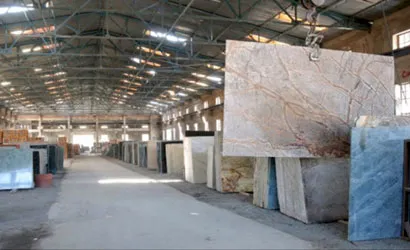
Once the finishing is over, the marbles are ready to be showcased on display or sent directly for packing. They are stored in wooden or iron frames and further placed into containers. However, the tiles are stored in wooden boxes for transportation.
Step 7: Marble Loading and Shipment
Lastly, the marbles are shipped via ships, lorries, or trains to reach their final destination safely.
Our commitment is to upgrade our manufacturing units to meet the exact specifications of our client in an impeccable way. We constantly embrace modern tools and equipment to help us develop and deliver superior quality products to the clients.